Writing and Artwork by Hannah Shickle
“Dyslexia is an island of weakness surrounded by a sea of strengths.” — Dr. Sally Shaywitz
Living with Dyslexia
Imagine this: I am a bright, eager student, yearning to learn. Yet every time I open a book, the sounds are difficult to distinguish, and the letters seem to swirl across the page, refusing to form coherent words. This was my reality as a young student living with dyslexia, ADHD, and scotopic sensitivity syndrome.
As a dyslexic, I often find myself reflecting on the idea that my dyslexia isn’t a burden; it is a gift that has shaped the way I see and experience the world. It has allowed me to become a creative problem solver, make fascinating connections across seemingly unrelated areas, think differently, dream endlessly, and, perhaps most importantly, not be afraid to take risks. My areas of challenge are only one small part of who I am, surrounded by a sea of strengths that continues to shape how I learn, lead, and contribute.
I still remember well-meaning teachers urging me to “try harder” or to “read more.” What they didn’t understand was that my brain was simply wired differently. The rules of reading seemed crystal clear to my peers but remained a baffling mystery to me. Each day, as I struggled to keep up, I watched my peers discover the “magic” of reading while I felt lost.
As a young student, my sense of inadequacy grew, but my independent and resilient spirit refused to accept that I wasn’t smart. I would quietly sit in the back of the classroom, and questions began to swirl in my mind: How could I make this better? What would work more effectively? How could they infuse color, visuals, and other ways of representing information?
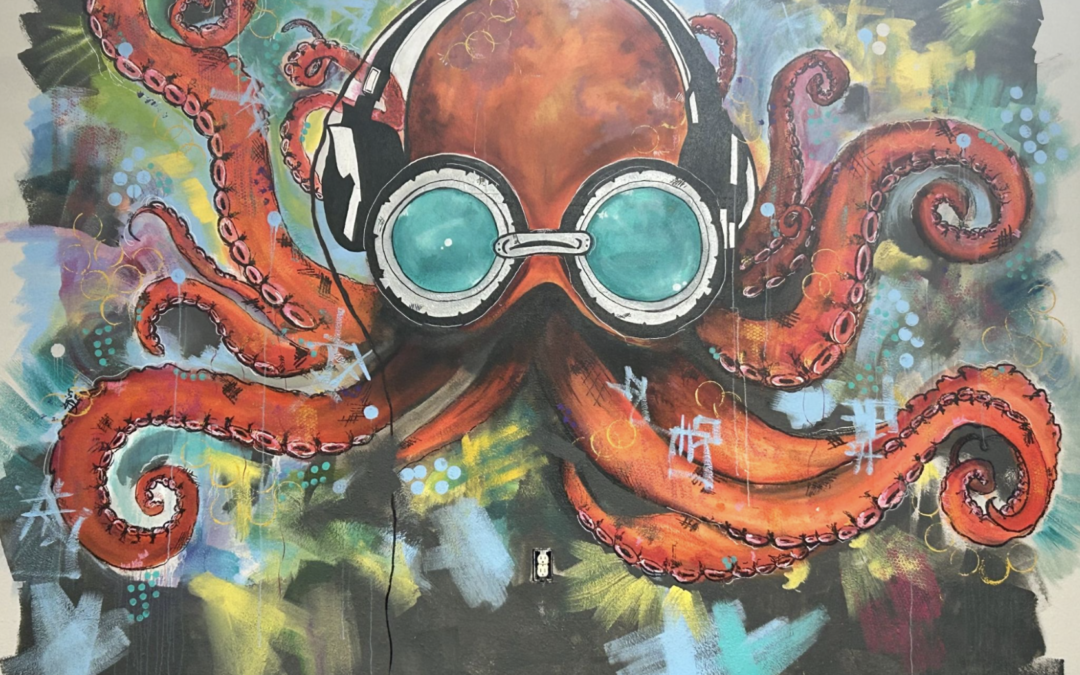
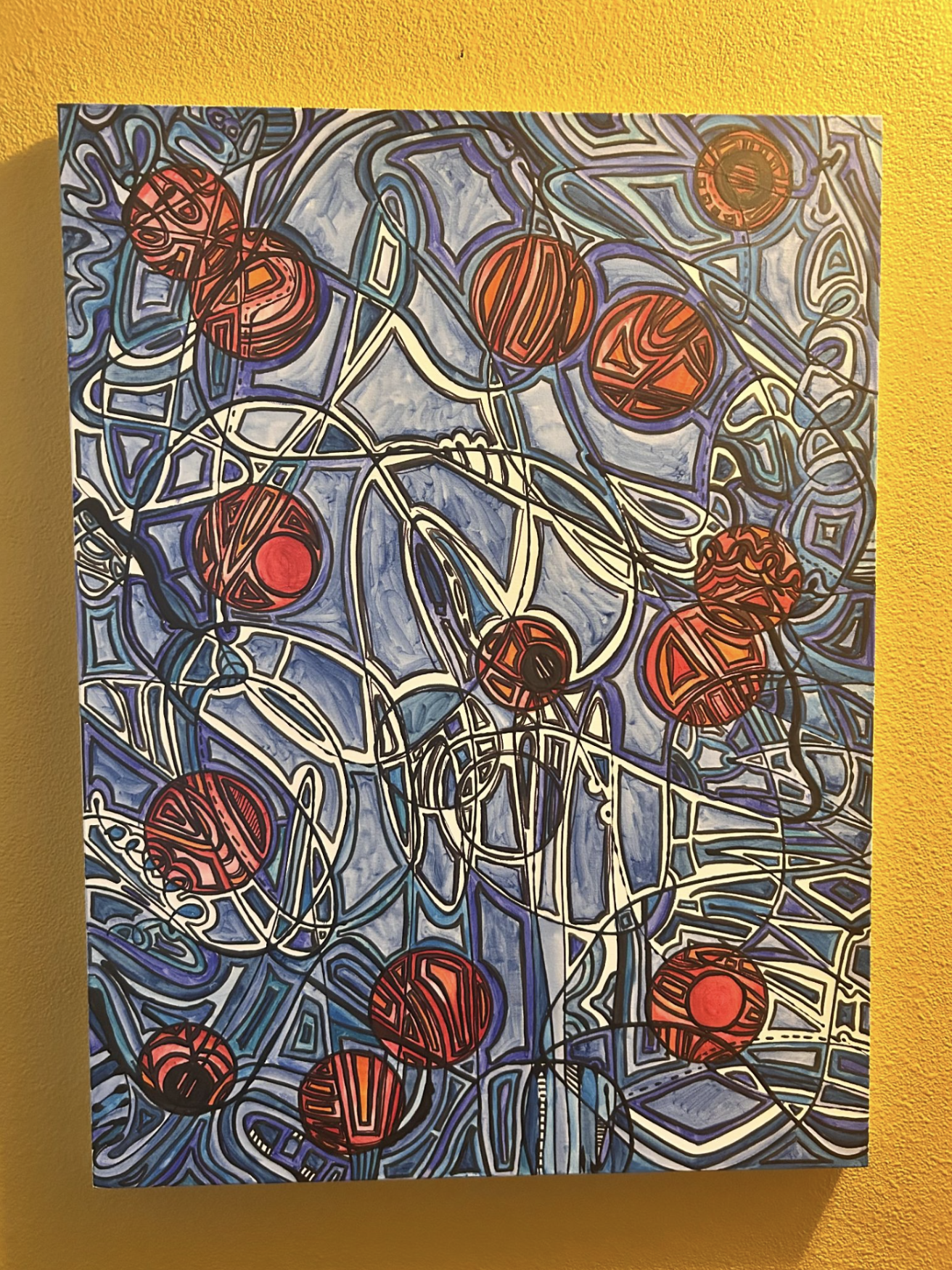
The older I became, the more questions I had. You see, I think in terms of shape, line, color, texture, and contrast, not just through black-and-white text. I am an artist.
Understanding the Science & Finding Alternative Pathways to Learning
The more I have learned about the science of dyslexia, the more I have understood my own experience. Dyslexia is not a reflection of intelligence or ability. It is a difference in how the brain processes language, particularly the sounds within language and the connection between those sounds and print. Understanding this science helped me recognize that my struggles with reading did not define my capacity to think, create, problem-solve, or learn.
Bridging Art and Academics
I also began to recognize how many of my strengths could become pathways into learning. For example, I have always struggled with graphing. X and Y axes, positive and negative number lines, and the formulas and rules associated with them can be difficult for me to interpret and hold in working memory. But when I began to understand graphing as something similar to taking a picture, creating a grid that allows me to shrink, expand, or map an image, the concept suddenly made sense.
When I can connect mathematics to my strength in art, my entire world changes. I gain access to the content. It feels like discovering a hidden door that opens into a world of possibilities. That experience has taught me something I carry with me as an educator: sometimes the barrier is not a student’s ability to learn, but the pathway we have chosen to help them access learning.
The Promise of Early Identification and Evidence-Based Instruction
That is why I believe early identification and screening matter so much. California’s new screening requirements create an opportunity to identify students who may be at risk for reading difficulties much earlier, before years of struggle begin to shape how they see themselves as learners. For me, early identification is not about assigning a label or defining what a child cannot do. It is about gaining information that helps us understand how a child learns, where they may need support, and where their strengths can become a bridge to learning.
Moving Past the “Wait and Fail” Model
But identification alone is not enough. I believe screening must be paired with expert, evidence-based instruction. Knowing that a student is at risk only becomes meaningful when we use that information to provide the right instruction, at the right time, with the right level of expertise. When I think about my own experience, I wonder how different my educational journey might have been if the adults around me had understood my learning profile earlier and had the knowledge and tools to respond to it.
For too long, the “wait and fail” model has underestimated the incredible cognitive strengths and potential in students who struggle to read. I know what it feels like to be bright and capable while simultaneously feeling like I am failing at something everyone else seems to understand. I know how easily repeated struggle can become a story a child tells themselves: Maybe I’m not smart. Maybe I’m just not good at school.
I became a teacher because I never wanted another student to leave my classroom believing that about themselves.
I want students to know that their areas of difficulty are not the sum of who they are. I want to help them find their voice, fuel their passions, recognize their strengths, and develop the tools they need to succeed. And I believe that when we combine early identification, a deep understanding of individual learning profiles, and science-based, expert instruction, we can change a student’s trajectory before struggle becomes an identity.
For me, this is the promise behind early screening. It is not simply another mandate, another evaluation, or another box to check. It is an opportunity to see the whole child sooner and to respond with greater precision, compassion, and expertise.
Every student deserves the opportunity to have their strengths recognized while receiving the instruction they need to thrive.
Dyslexia may be an island of weakness, but I know from experience that it exists within a much larger sea of strengths.
Join Us at DyslexiaCon 26 & Continue Your Learning
To further this work and ensure that teachers, students, families, advocates, and professionals have access to the research, resources, and professional learning they need, two of our own will be presenting at the International Dyslexia Association’s (IDA) Annual Reading, Literacy & Learning Conference, DyslexiaCon 26, November 11-14, 2026.
- Meghan Sanchez: Morphology Matters
- Hannah Schickle: From Struggle to Strength: A Dyslexic Teacher’s Guide to Literacy and Advocacy
These sessions offer opportunities to deepen our understanding of dyslexia, strengthen literacy practices, and continue building a shared commitment to supporting every learner.
Next Steps with Chartwell Teaching Institute
If you are interested in learning more about the Golden State Literacy Roadmap, screening shifts, and funding for literacy professional development, or simply want to continue expanding your knowledge and practice, we invite you to explore Chartwell Teaching Institute’s professional learning opportunities, including Demystifying Dyslexia and the OneBrainScience Structured Literacy courses.
Together, we can keep moving toward earlier identification, stronger instruction, and a deeper understanding of the strengths every learner brings to the classroom.